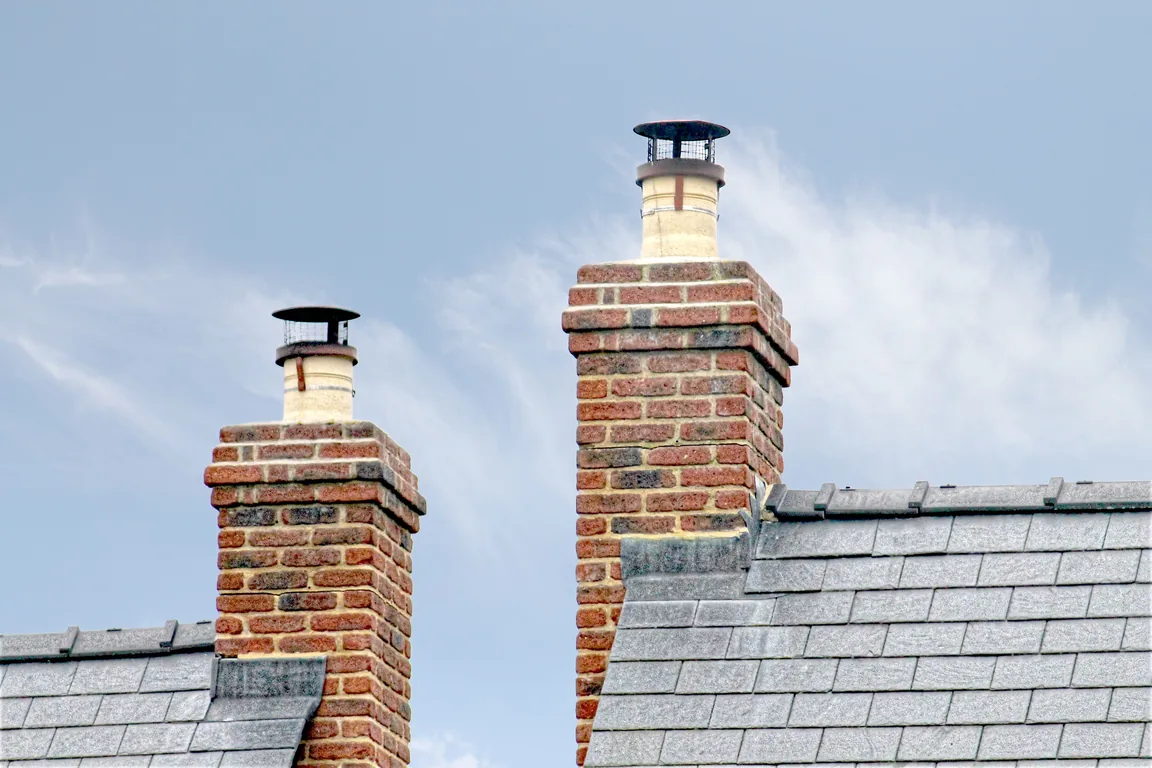
A leaking or crumbling chimney is one of the most common reasons homeowners in North Wales, Cheshire and the Wirral call a roofer. This guide sets out 2026 chimney repair cost figures for the jobs we are asked about most: repointing, lead flashing, flaunching, rendering, and reducing or removing a stack. It also explains what usually causes a chimney to leak when it rains.
These are our typical 2026 guide prices for homes in North Wales, Cheshire and the Wirral. Your final price depends on height, access and what has actually failed, so a free written quote, after we have inspected the chimney, is the only accurate figure.
Key Takeaways
- Repointing: typically £650–£1,250 for a standard-sized chimney.
- Lead flashing: a full chimney re-lead is typically £750–£950 without scaffolding, or £1,250–£1,650 with it.
- Flaunching: typically £450–£750.
- Rendering: typically £1,200–£1,900.
- Stack removal (above the roof): typically £650–£1,250.
Scaffolding, if it is needed and not already in the quote, typically adds £450–£850. These are our 2026 guide prices. For a real price, ask us for a free quote.
Chimney Repair Cost At A Glance
Here’s how the main jobs compare. Scroll sideways on a phone to see the full table. Scaffolding is shown separately, because some quotes include it and some do not.
| Job | Typical guide price | Typical time | Notes |
|---|---|---|---|
| Repointing | £650–£1,250 for a standard-sized chimney | 1–2 days | The most common chimney job |
| Full chimney re-lead (all four sides) | £750–£950, or £1,250–£1,650 with scaffold | A day | The lasting fix if the lead has failed |
| Flaunching | £450–£750 | 4–8 hours | Often done with pointing or flashing to share the scaffold |
| Chimney cap or cowl | £250–£550 | A few hours | Upper end if scaffolding is needed |
| Rendering | £1,200–£1,900 | Usually 1–2 days | For weathered or spalled brickwork, where pointing is not enough |
| Stack removal (above the roof) | £650–£1,250 | Usually 1–2 days on the roof | Different from removing a chimney breast inside |
| Full stack rebuild | £2,000–£3,000 | 2–4 days | When repair is no longer enough |
| Scaffolding | £450–£850 on top | Hired for the job | If it is not already included in the job price |
Work Out A Rough Price For Your Chimney
What’s Causing My Chimney Leak?
If your chimney leaks when it rains, the stain inside the house is not always next to the part that has failed. Water can travel along a flue or a ceiling joist before it shows. Pick the sign that sounds most like yours.
Typical Chimney Repair Costs Compared
Switch between the typical cost of each job and how long the work usually takes. The cost bars use our local guide ranges.
Chimney Repairs Explained
Each repair fixes a different part of the stack. It is common to do more than one on the same visit, so you only pay for the scaffold once.
Chimney Repointing
- Typical cost £650–£1,250 for a standard-sized chimney
- Time 1–2 days
- How often Exposed stacks need a check every few years. A well-matched mortar mix should last many years, but coastal and hill-top chimneys weather faster.
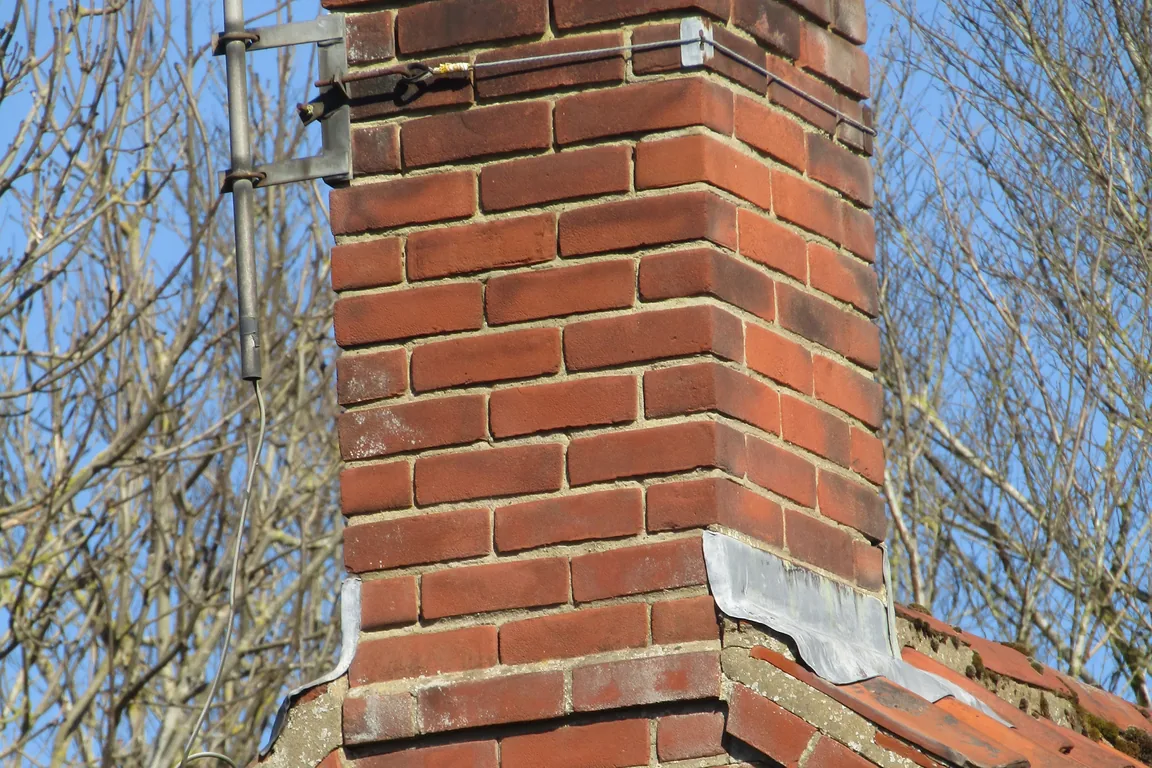
Repointing is raking out failed mortar and filling the joints with a fresh mix. It stops rain soaking into the brickwork, which is a common cause of damp on a chimney breast.
Signs you need it: crumbling or missing mortar, loose bricks, white salt marks on the stack, or damp on the breast after rain.
Older brickwork often needs a lime mortar, not a hard cement mix, so the joints can move with the brick. The wrong mix can do more harm than good. We will check this on the survey.
Lead Flashing Repair
- Typical cost Full chimney re-lead £750–£950, or £1,250–£1,650 with scaffold
- Time A day
- How often Correctly fitted Code 4 or Code 5 lead is a long-life material and often outlasts the pointing around it. Failure is usually down to lifted or split lead, or failed pointing at the edge, rather than the lead simply “running out”.
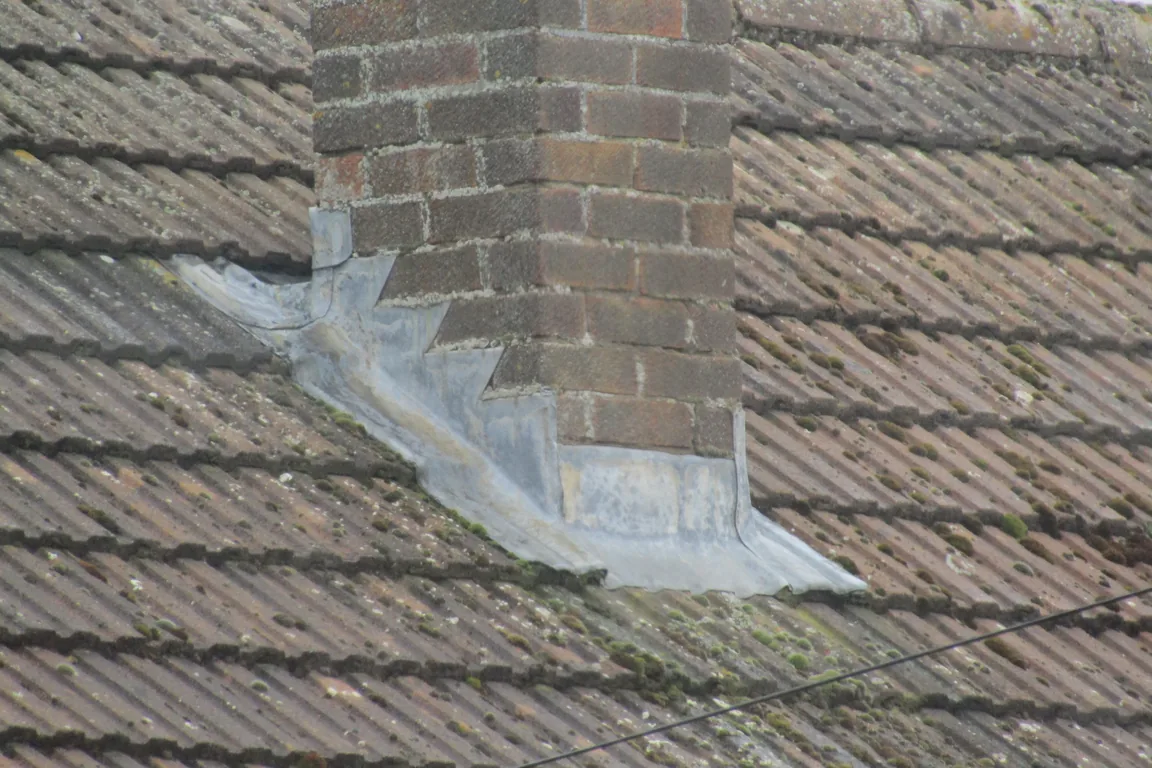
Flashings seal the junction where the chimney comes through the roof. On most homes around here that means lead, cut in steps up the pitch and dressed into the brickwork.
Signs you need it: a damp stain on the ceiling or wall close to where the chimney meets the roof, lifted or split lead, or tiles and slates that have slipped at the base of the stack.
When the lead has split, lifted or worn out, we re-lead the chimney on all four sides, which is the longer-lasting repair. Cheap tape or sealant over failed lead is only a short-term fix, not a proper job.
Chimney Flaunching Repair
- Typical cost £450–£750
- Time 4–8 hours
- How often Flaunching sits at the very top of the stack, so it takes more frost and rain than the sides. It often needs attention sooner than the pointing below.
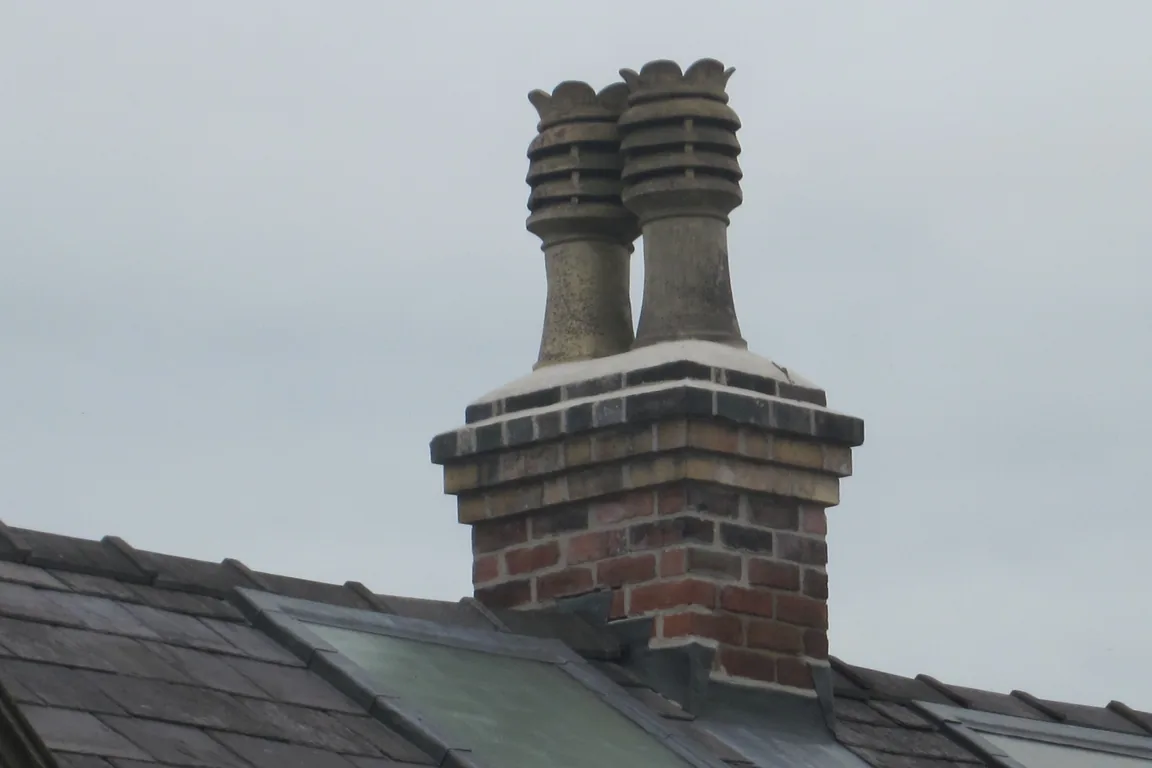
Flaunching is the sloped mortar bed that holds the chimney pots and sheds water off the top of the stack. When it cracks, rain runs into the flue or the brickwork and can show up in the fireplace or on a ceiling below.
Signs you need it: cracked or missing mortar around the pots, a loose or leaning pot, debris in the grate, or water running down the fireplace when it rains.
Flaunching is still one of the smaller chimney jobs. Scaffolding, if needed, can add as much again, which is why it is often done at the same time as pointing or flashing.
Chimney Rendering
- Typical cost £1,200–£1,900
- Time Usually 1–2 days
- When it helps Spalled or badly weathered brickwork, where pointing alone will not keep the weather out
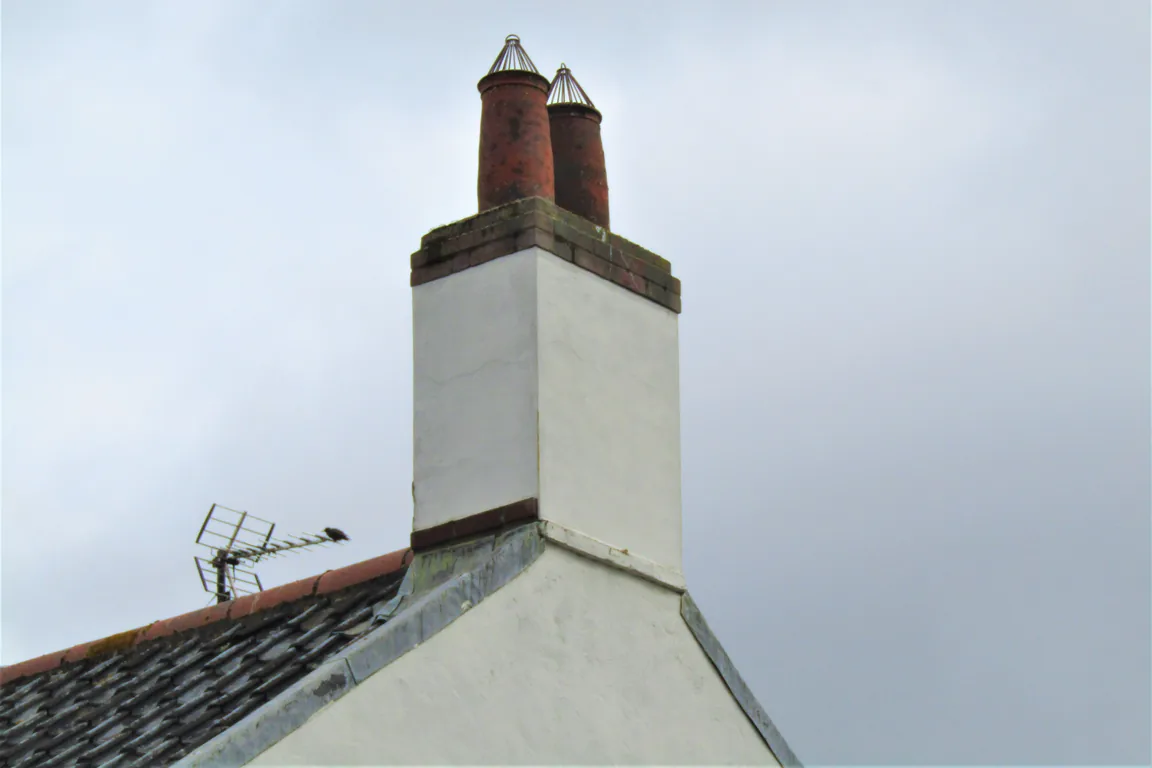
Rendering gives the stack a continuous weatherproof skin. It is worth considering when the brick faces have blown or the pointing has failed across a large area. If the stack is still sound, repointing is usually the better and cheaper option.
Signs it may be needed: spalled or crumbling brick faces, failed or cracked render already on the stack, or a wide damp patch on the weather side after driving rain.
Rendering a chimney without also checking the flaunching and the lead at the roof will not stop a leak if those parts have failed too. The stack should be treated as one job.
Chimney Removal And Reduction
- Stack removal £650–£1,250, including making the roof good
- Reduction Often less than a full take-down. We’ll quote after a survey
- Chimney breast removal A separate, structural job that usually needs Building Control approval, not a typical roofing-only job
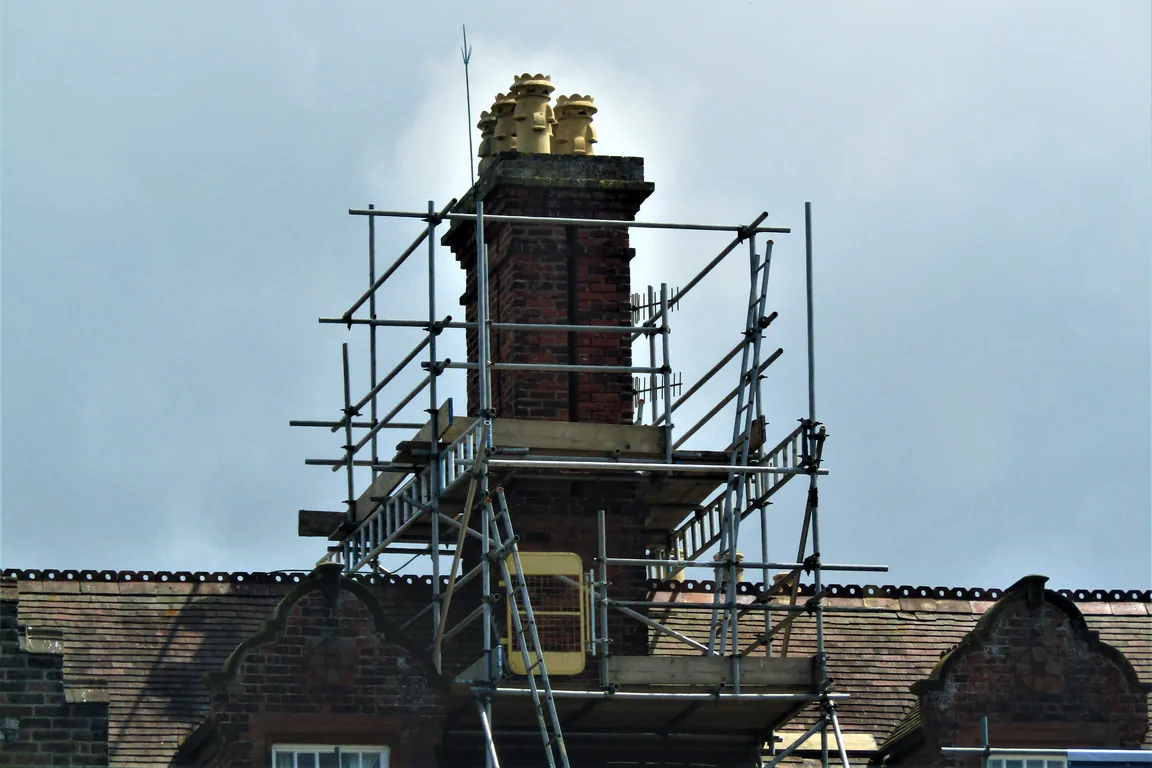
If a chimney is unused and in poor condition, there are three routes: repair it, reduce it (take it down a few courses, rebuild the top, cap it and re-flash), or take the stack down below the roofline and close the roof.
Reducing a stack keeps the look of the chimney from the street, which can matter in a conservation area. Taking it down altogether removes the future maintenance, but the roof has to be made good properly so it does not leak.
Removing a chimney breast inside the house is not just roofing. It can affect the structure, may need a structural engineer and Building Control, and can involve a party wall agreement with a neighbour. This guide focuses on the stack above the roof, which is the part a roofer deals with.
Thinking about a chimney repair?
Get An Honest, Written Quote
We repair and weatherproof chimneys on homes across North Wales, Cheshire and the Wirral. Call or message us for advice or a free quote.
Why Does A Chimney Leak When It Rains?
A chimney is the most exposed masonry on the house. Rain hits it from every side, frost gets into any crack, and the join with the roof is a natural weak point. The usual causes are damaged flashing, deteriorated mortar, damaged flaunching, pot problems, roof defects around the stack, and water entering an unused or open flue.
A stain on a bedroom ceiling does not always mean the flashing has failed, and water in the grate does not always mean the flaunching has cracked. The leak needs tracing first. That is also why a cheap tube of sealant around the base of the stack rarely lasts: it treats the symptom, not the join.
If the leak has just started after a storm, or water is coming in now, we offer emergency call-out to make the roof safe and limit the damage. For lasting repairs, see our chimney repairs page, which covers pointing, leadwork, flashing and stack rebuilds, or our roof repairs page.
Do You Need Scaffolding?
Once a chimney is above bungalow height, safe access is usually a scaffold, not a ladder. That is not a nice-to-have: it is how the job gets done properly, on every side of the stack.
Scaffolding typically adds £450 to £850 if it is not already included in the job price. Awkward access, such as a stack in the middle of the roof or a scaffold that has to go over an extension, usually sits towards the top of that range.
The way to keep this cost down is to do all the chimney work, and any nearby roof repairs, on the same visit. Paying for the scaffold twice is the expensive option. Always ask whether access is included in a quote, and whether a licence is needed if the scaffold sits on a public pavement.
DIY Or Get A Roofer In?
Chimney-stack repairs are generally not suitable DIY jobs. The work is at height, and pots, bricks or lead can be loose. Even a “small” pointing repair needs stable access and the right mortar.
You can safely look for damp on a chimney breast, check a fireplace after rain, and photograph the stack from the ground. Do not climb onto the roof to inspect it. If you are unsure, we will inspect it properly and tell you what, if anything, needs doing.
What Affects Chimney Repair Cost?
01
Access And Height
A central stack on a two-storey semi costs more to reach than a side chimney on a bungalow. Scaffolding is often the biggest swing in the quote.
02
What Has Failed
A single cracked pot is a small job. Failed flashing, pointing and flaunching together is a larger one, but still cheaper than coming back twice.
03
The Condition Of The Stack
Loose bricks, a lean, or hidden decay inside the flue can turn a repair into a partial rebuild once work starts.
04
Materials
Lime mortar on older brickwork, and Code 4 or Code 5 lead rather than a short-life substitute, cost more to specify and last longer.
05
Combining Jobs
Doing pointing, flaunching and flashing together usually costs less than three separate visits, because the scaffold is paid for once.
06
Listed Or Conservation Properties
Extra consents, matching materials and sometimes a pavement licence can add time and cost. We will flag this at the survey if it applies.
Repair, Reduce Or Remove?
Repair Is Usually Enough If…
- The stack is still standing straight and the bricks are sound
- The leak can be traced to the flashing, flaunching or pointing
- You still use the chimney, or want to keep the look of the stack
Reduction Or Removal May Be Better If…
- The chimney is unused and the top of the stack is in poor condition
- A rebuild would cost as much as taking it down and making the roof good
- You are prepared for Building Control if a breast inside the house is coming out too
How To Get An Accurate Chimney Quote
- Get the stack looked at properly. The leak or the failed mortar needs to be identified before anyone prices the work. We do this when we come out to give you a free quote.
- Ask what is included. Scaffolding, waste, new pots, lead and making good should be clear on the quote, so you can compare like with like.
- Bundle the work. If the flashing, flaunching and pointing all need attention, do them together.
- Think about the rest of the roof. If tiles, slates or ridges nearby are due, it is usually cheaper to deal with them while the scaffold is up. See our pitched roofing page, or our flat roof replacement cost guide if a flat roof abuts the stack.
- Get it in writing. A clear written quote protects both of you.
Why Homeowners Choose Onyx Roofing
- 15+ years fitting and repairing roofs
- 10-year workmanship guarantee on our work
- £5m public liability insurance with Covéa
- 250+ reviews across Google, Yell and MyBuilder
We work across the region, including Holywell, Mold, Chester and the Wirral. See all areas we cover.
Chimney Repair Cost FAQs
How Much Does Chimney Repair Cost?
Our typical 2026 guide prices for chimney work in North Wales, Cheshire and the Wirral run from a few hundred pounds for a small repair up to a few thousand for rebuilding a stack. Repointing is typically £650 to £1,250, a full chimney re-lead £750 to £950 (or £1,250 to £1,650 with scaffolding), flaunching £450 to £750, and a cap or cowl £250 to £550. Rendering is typically £1,200 to £1,900, and stack removal above the roof is £650 to £1,250. A full stack rebuild is £2,000 to £3,000. Scaffolding, if it is needed and not already in the quote, usually adds £450 to £850. A free written quote, after we have inspected the chimney, is the only accurate figure.
How Much Does Chimney Repointing Cost?
Our typical guide price for chimney repointing is £650 to £1,250. A small stack that is easy to reach sits towards the lower end, and a chimney in the middle of a semi-detached roof, or one that needs a lot of raking out, sits towards the top. Always check whether scaffolding is included; if it is extra, it usually adds £450 to £850.
How Much Does Chimney Flashing Repair Cost?
When chimney flashing has failed, we re-lead the chimney on all four sides. A full chimney re-lead is typically £750 to £950 without scaffolding, or £1,250 to £1,650 with it. Where the price sits depends on the size of the stack and how easy it is to reach. A free written quote, after we have inspected the chimney, is the only accurate figure.
Why Does My Chimney Leak When It Rains?
Rainwater usually gets in at the most exposed parts of the stack: failed or lifted lead flashing where the chimney meets the roof, cracked flaunching around the pots, worn pointing in the brickwork, or an open pot on a flue that is no longer in use. Damp on the ceiling or wall near the chimney often points to the flashing. Water running down the fireplace is more often the flaunching or an uncapped pot. The leak should be traced before any repair is chosen, because treating the wrong part will not stop it.
Do I Need Scaffolding For Chimney Repairs?
Often, yes, once the chimney is above bungalow height. Scaffolding typically adds £450 to £850 if it is not already included in the job price. Some quotes already include access, so ask before you compare. If other roof work is due, doing it on the same visit usually saves you paying for the scaffold twice.
Can I Repair A Chimney Myself?
Chimney-stack repairs are generally not suitable DIY jobs. The work is at height, and the brickwork, pots or lead can be loose. Even a small pointing repair needs safe access. Ground-level checks, such as looking for damp on a chimney breast, are fine. Do not climb onto the roof to inspect the stack. If you are worried about it, we can take a look and give you a free quote.
How Much Does Chimney Rendering Cost?
Our typical guide price for rendering a chimney stack is £1,200 to £1,900. Rendering is worth considering when the brick faces have blown or pointing alone will not keep the weather out. Scaffolding, if it is not already included, usually adds £450 to £850. A free written quote, after we have inspected the chimney, is the only accurate figure.
How Much Does It Cost To Remove A Chimney Stack?
Our typical guide price for taking a stack down above the roof is £650 to £1,250, including making the roof good. That is separate from removing a chimney breast inside the house, which is structural work and usually needs Building Control approval. Reducing a stack by a few courses is often cheaper than a full take-down. A survey is the way to compare repair, reduction and removal properly.
Does Chimney Removal Need Building Regulations Or Planning Permission?
Taking a stack down to below the roofline and making the roof good is usually a roofing job, but local rules can still apply, especially on a listed building or in a conservation area. Removing a chimney breast inside the house is different: this work usually needs to comply with Part A of the building regulations, even where planning permission is not required. If the chimney is shared with a neighbour, a party wall agreement may also be needed. We will flag this at the survey if it applies.
Onyx Roofing
Talk To Us About Your Chimney
Whether you’re in North Wales, Cheshire or the Wirral, we’ll look at the stack, explain what’s failed and give you a clear written quote. Call 07405 569991 or email info@onyxroofing.co.uk.
Read more roofing advice on our blog or return to the Onyx Roofing homepage.