
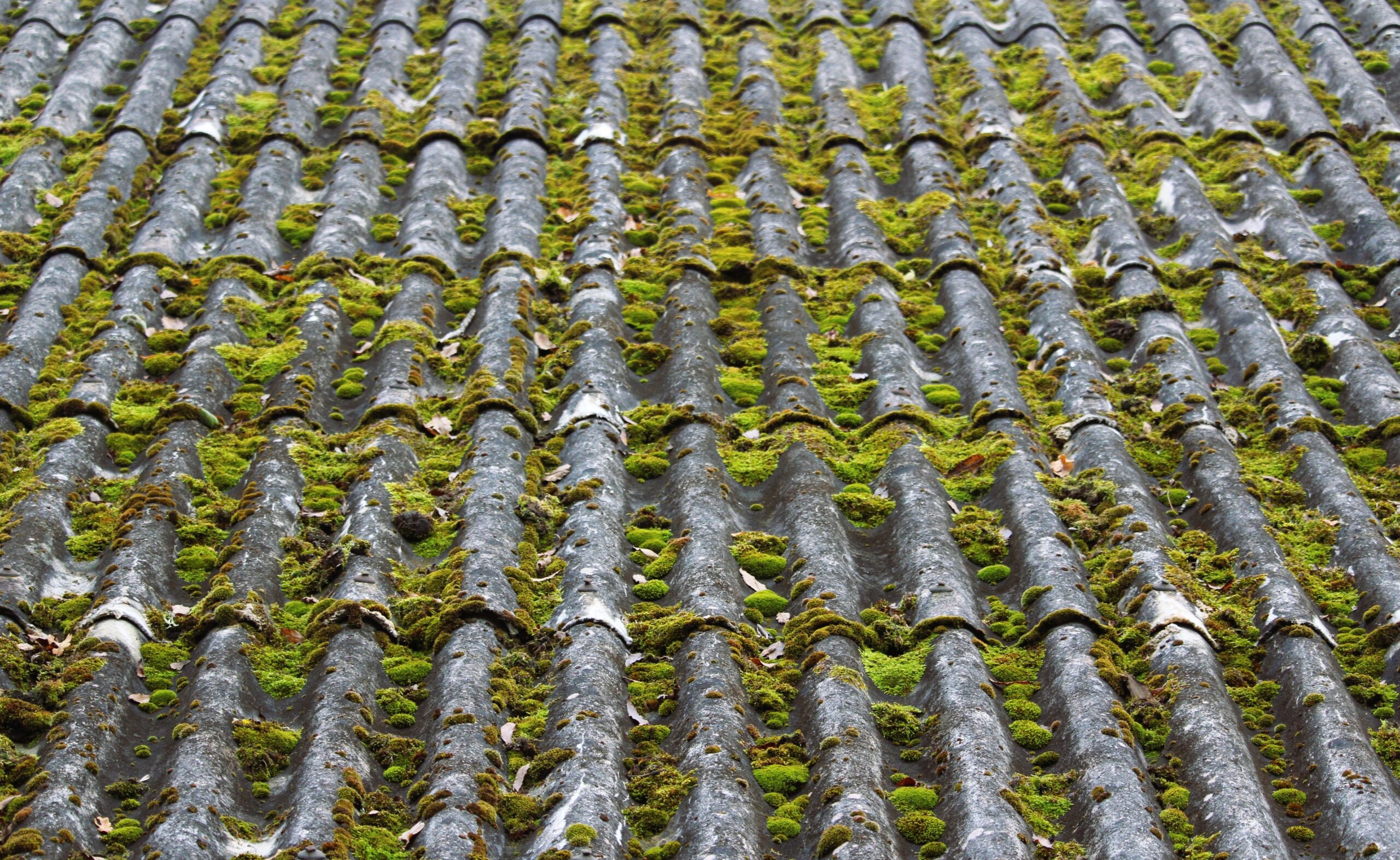
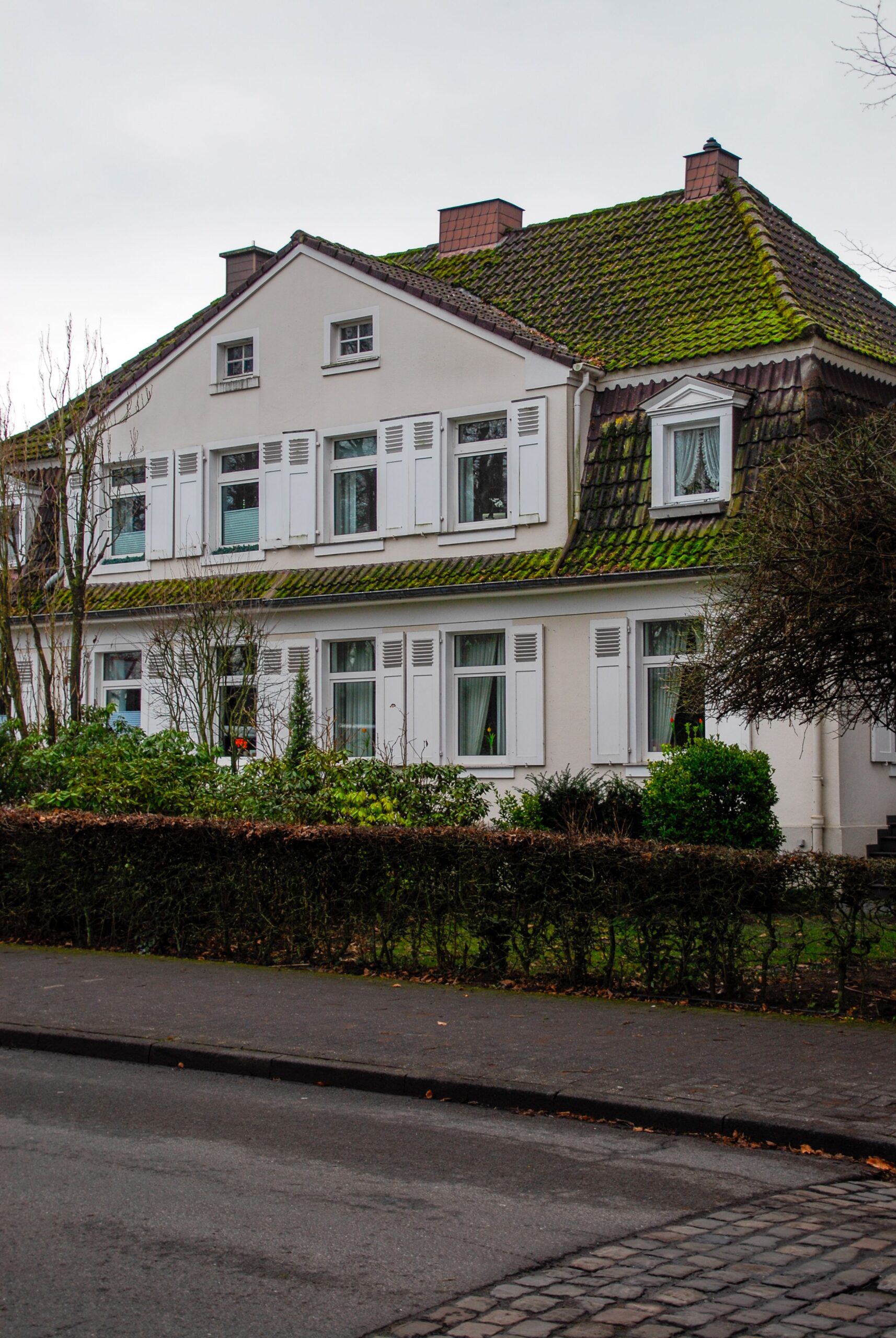
A little moss on a roof is common across North Wales, Cheshire and the Wirral. The climate is wet, as Met Office rainfall records show for much of the region, many homes sit under trees, and north-facing pitches stay damp for much of the year.
Left alone, though, it is more than a cosmetic issue. This guide to roof moss removal in North Wales explains why moss matters, why pressure washing can damage tiles, and how a careful clean plus a biocide treatment works.
Key Takeaways
Roof moss removal is about more than making the tiles look tidy:
- Moss holds water against slate and concrete tiles
- Growth between the tiles can push them apart and let rain in
- Loose moss washes into gutters and causes overflow
- Frost can crack or flake tiles that have been sitting wet
- Pressure washing can damage tiles and drive water underneath
- A careful clean plus a biocide is the usual professional approach
A roofer who has seen the roof can tell you what it needs and give you a written quote.
Why Moss On A Roof Is A Problem
Moss thrives on a damp, shaded roof. Once it takes hold, it acts like a sponge.
01
Blocked Gutters
Loose moss washes into the gutters and downpipes, so water overflows onto the roofline and wall.
02
Tiles Pushed Apart
Moss grows between the tiles and pushes them apart, so wind and rain get underneath.
03
Water Ingress
Once water is under the covering, it can wet the battens, the membrane and, in time, the loft.
04
Frost Damage
Wet moss freezes. That expansion is hard on concrete tiles and can worsen cracks in slate.
05
Staining
Persistent overflow leaves tide marks on the walls and can rot timber at the roofline.
06
Trees And Shade
Overhanging branches and a north-facing pitch keep the surface damp, so moss returns faster.
Signs Your Roof Needs A Moss Clean
You do not need to climb up to tell that moss is becoming a problem. These are the signs worth acting on:
- Thick growth, especially on the lower half of a pitch or under trees
- Gutters clogged with moss, or overflowing in ordinary rain
- Tiles or slates that have been pushed apart, or sit unevenly, along the moss line
- Damp marks on fascia boards, or on the wall below the gutter
A mossy roof is not automatically a failed roof. If slates are slipping across the whole covering, or the timber underneath is rotten, cleaning alone will not solve it. In that case, see our guide to new roof cost in North Wales and our roof repairs page.
Worth knowing: Look at the roof after a wet spell. That is when overflow, staining and tiles that stay dark with damp are easiest to spot.
Ways To Deal With Roof Moss
There are three approaches homeowners are usually offered. They are not equal, especially when it comes to the risk to the tiles.
| Method | Pros | Cons | Risk to tiles |
|---|---|---|---|
| Scraping or brushing | Takes off the bulk quickly and lets you see the tiles underneath | Spores often remain, so moss can return. Metal scrapers can scratch the surface | Low to moderate if done carefully. Higher if the covering is walked on heavily |
| Soft wash / biocide | Kills remaining growth so it dies back and weathers off with the rain | Not instant. Dead growth can take weeks or months to wash away, and the product must be used carefully around plants and drains | Low, when the right product is applied correctly |
| Pressure washing | Looks dramatic and strips moss off a roof quickly | Can crack tiles, drive water under the overlaps, scar concrete and break slate | High, especially on older concrete tiles and natural slate |
Why Pressure Washing Can Damage Tiles
It is easy to see the appeal: the moss disappears in an afternoon. The problem is the force involved. On concrete tiles, a jet can strip the surface and leave the tile more open to water. On natural slate, it can crack or shatter a slate that would otherwise have years of life left. Water can also be driven under the overlaps into the loft. That damage may not show on the day — it shows later, as staining or a leak.
Roofer’s tip: A clean-looking roof after a pressure wash is not the same as a healthy one. If water has been forced under the tiles, the first sign may be in the loft, not on the surface.
Got a mossy roof?
Get Advice Or A Written Quote
We clean and treat moss on houses across North Wales, Cheshire and the Wirral. Call or message us for advice or a quote.
How A Professional Moss Clean Usually Works
The exact method depends on the covering, how heavy the growth is and how easy the roof is to reach. This is the process most homeowners can expect.
- Inspect the roof and gutters. This shows how heavy the growth is, whether any tiles are cracked or slipped, and whether the gutters are already blocked.
- Plan safe access. That might be scaffolding, a tower or another agreed method, rather than walking unprotected on a fragile roof.
- Take off the bulk of the moss. It is removed by hand or with a soft brush, not with a pressure washer or a metal scraper.
- Apply a suitable biocide. A roof treatment kills what is left, so remaining growth dies back and weathers off with later rain.
- Clear the gutters and downpipes. Moss already washed off is taken out, so water can run away freely again.
- Check the covering. Any slipped, cracked or missing slates or tiles can be dealt with while access is in place.
Worth knowing: Ask what the quote includes: the clean, the biocide, clearing the gutters, and how any broken tiles will be handled. That is where quotes most often differ.
The roof will not look brand new overnight. Dead growth loosens and washes away over later weeks of rain, which is why the gutters are worth checking again.
How Often Should You Clean Moss Off A Roof?
There is no single timetable. A shaded, north-facing pitch under trees, in a wet climate such as much of North Wales, may need attention every few years. A dry, open, south-facing roof can go much longer. After a treatment, keep the gutters clear and trim overhanging branches where you can. If the covering itself is worn out, repeating a moss clean will not make it last — see our pitched roofing page and the new roof cost guide.
A Word On Doing It Yourself
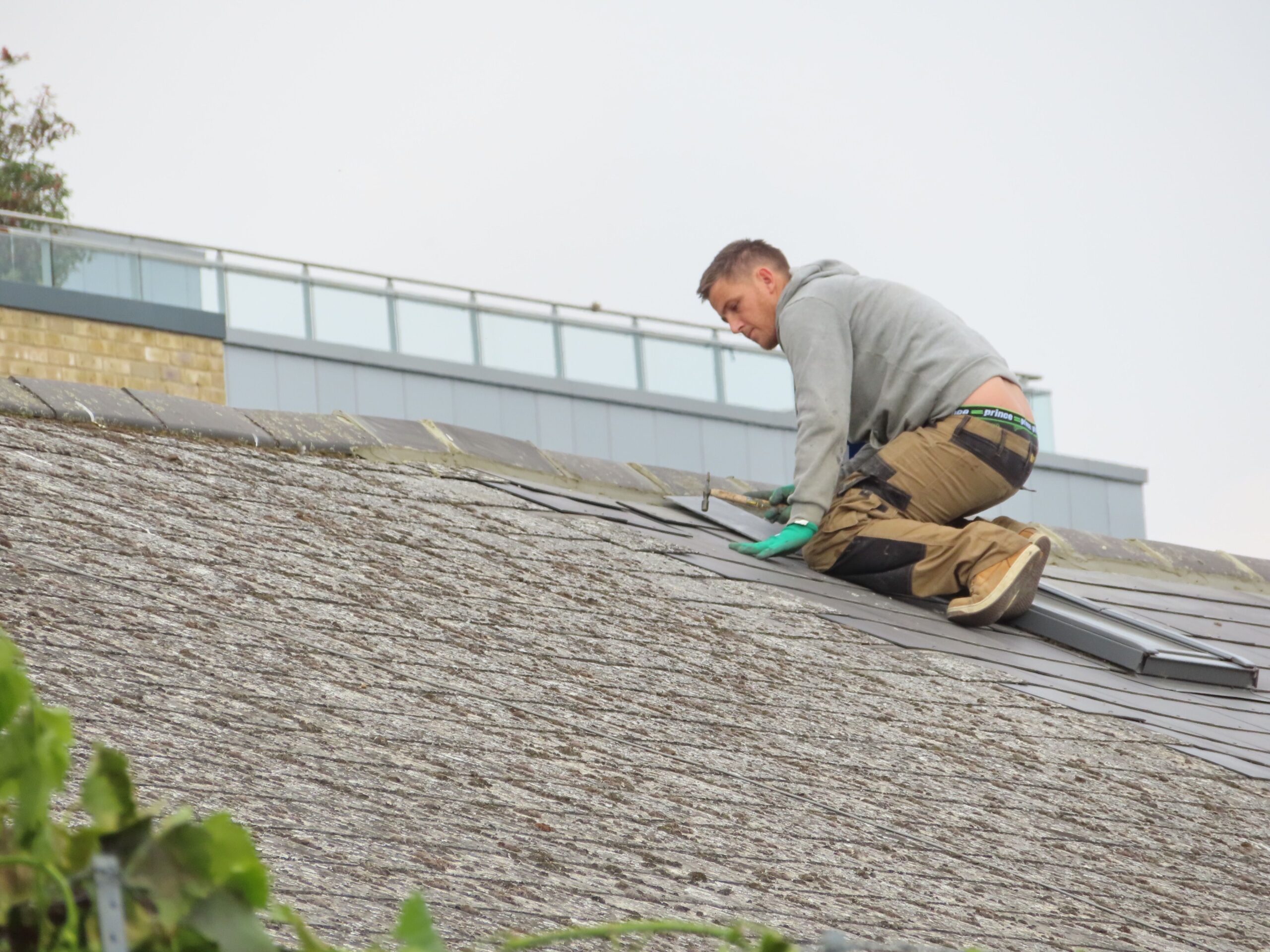
It is natural to look at a mossy garage or porch and think you could reach it from a ladder. A main roof is a different job. Ladders are a common cause of serious DIY injuries, and roofs are fragile: walking on slate or older concrete tiles can crack them, and some coverings will not take a person’s weight at all. The HSE guidance on working at height is a useful starting point if you are weighing up a small job yourself.
Biocide needs care too. Use a product made for roofs, follow the directions, and keep it away from ponds, drains and garden plants. If you only tackle a small, single-storey roof, use a stable ladder, keep off the covering where you can, and never work in the wet or on your own. For most houses, it is safer to have a roofer do the work with proper access.
Stay safe: If you are on a ladder and cannot reach comfortably, stop. Over-reaching is how people fall, and it is how tiles get broken.
Talking To A Roofer
Look for a roofer who will inspect the roof, explain the method and put the work in writing. The cheapest offer is not always the best value, particularly if it relies on a pressure washer. Onyx Roofing is a Flintshire-based roofing firm with more than 15 years experience. We carry out roof moss removal on homes across North Wales and into Cheshire and the Wirral, alongside repairs, new roofs and fascias, soffits and guttering.
Frequently Asked Questions
How Do You Remove Moss From A Roof?
The usual approach is to take off the bulk of the moss carefully, by hand or with a soft brush, then apply a suitable biocide so remaining growth dies back and weathers off with the rain. Gutters should be cleared at the same time, and any slipped or cracked tiles dealt with.
Is It Safe To Pressure Wash A Roof?
Usually, no. A pressure washer can crack concrete tiles, break slate, drive water under the overlaps and scar the covering. A careful clean plus a biocide treatment is a much gentler way to deal with roof moss.
Does Moss Actually Damage Roof Tiles?
It can. Moss holds water against the surface, and it can grow between the tiles and push them apart, letting rain in. In frost, that trapped water expands, which is hard on concrete tiles and can worsen small cracks in slate. Loose moss also blocks gutters and causes overflow.
How Often Should A Roof Be Cleaned Of Moss?
It depends on the roof. A shaded, north-facing pitch under trees in a wet climate, such as much of North Wales, may need attention every few years. A dry, open, south-facing roof can go much longer. Keeping gutters clear and trimming back branches will slow the moss coming back.
Can I Remove Roof Moss Myself?
A small porch or garage roof is sometimes reachable from a stable ladder, but a main roof is a different matter. Ladders are a common cause of DIY injuries, and slate and older tiles are easy to crack if you walk on them. For most houses, it is safer to have a roofer do the work with proper access.
Onyx Roofing
Talk To Us About Roof Moss Removal
Whether you’re in North Wales, Cheshire or the Wirral, we can look at your roof, explain the options and give you a clear written quote. Call or message us for advice or a quote on 07405 569991 or at info@onyxroofing.co.uk.
Read more roofing advice on our blog or return to the Onyx Roofing homepage.