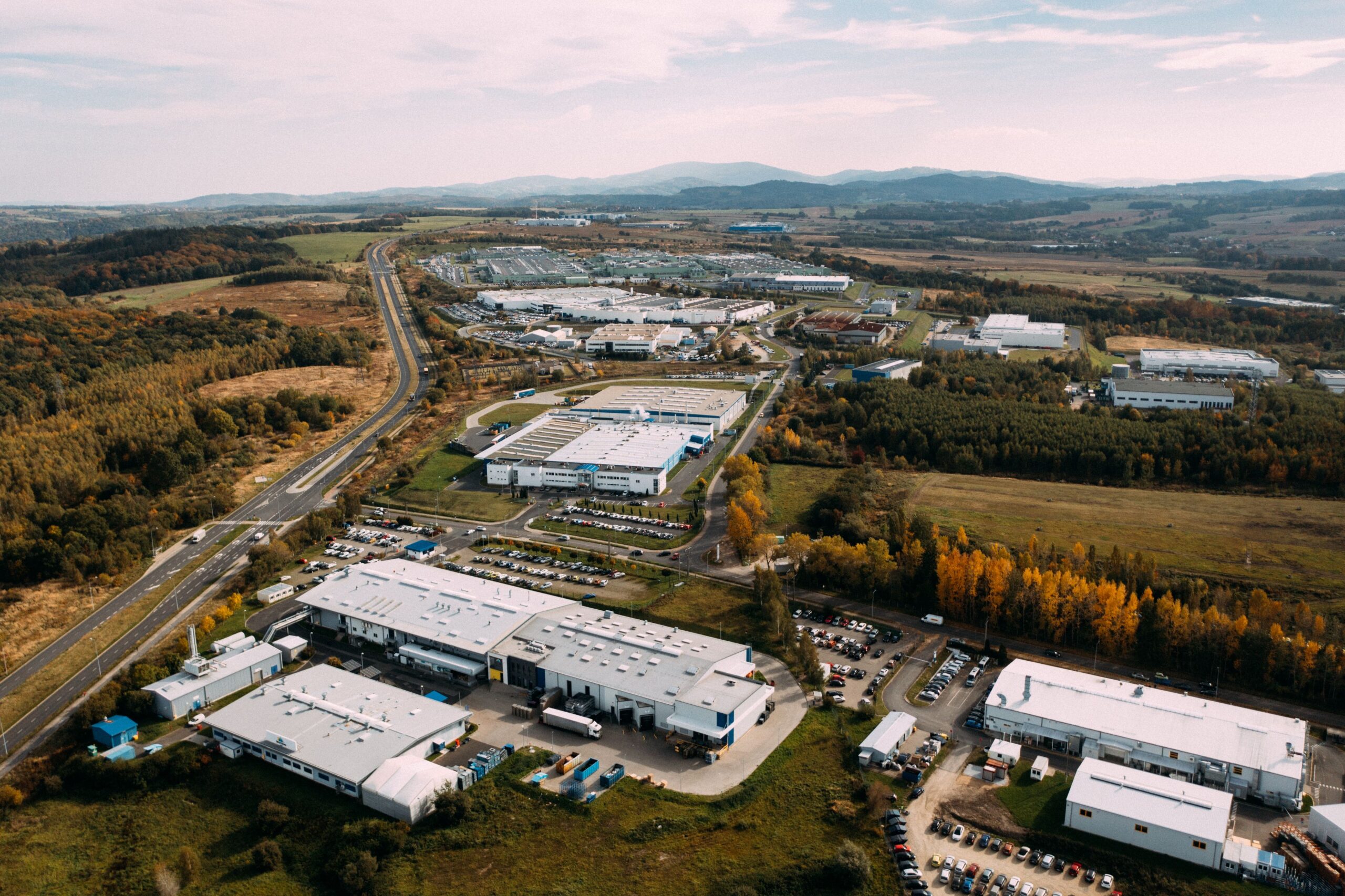
A leaking or worn flat roof over a warehouse, factory or commercial unit is more than an inconvenience. Water can get into insulation, stock and working areas, and a full strip-and-replace is not always the only practical answer.
This guide looks at commercial flat roof repair across North Wales, Cheshire and the Wirral, and where the Lava20 liquid roofing system can be a strong option.
Key Takeaways
A commercial flat roof does not always need to come off. The right commercial flat roof repair depends on the covering, the insulation and the deck:
- Local repair when the defect is isolated — a failed detail, a split at a gutter, or a puncture around plant
- Liquid overlay when the existing covering is generally sound and can be cleaned and primed
- Full replacement when the deck or insulation has failed, or the covering cannot be prepared
- Lava20, made by Owl Waterproofing Solutions, is a cold-applied liquid membrane that can overlay many sound existing coverings
- If the roof is already leaking, we can help make the building weathertight first
The only reliable way to choose is to inspect the roof and specify against what is actually there.
Why Commercial And Industrial Flat Roofs Start To Fail
Most large flat roofs do not fail all at once. The main field may still be serviceable while water finds a path at a detail. On industrial units those details are often the first places we are called to.
01
Joints And Laps
Repeated temperature movement opens up laps and flashings, and water can travel a long way under the covering.
02
Outlets And Gulleys
Gulleys silt up, outlets restrict, and water backs up against a tired covering.
03
Rooflights And Upstands
These junctions take a lot of movement and weather, and are common leak paths.
04
Plant Plinths
Pipes, plant and penetrations need careful detailing. A puncture or failed flashing here can soak the area below.
05
Box Gutters
Hidden channels at the edge or in a valley often fail at outlets, joints or poor falls.
06
Ponding And Weather
The climate in North Wales, Cheshire and the Wirral, which Met Office rainfall records show as one of the wetter parts of the UK, means repeated rain and frost, with ponding water sitting against tired coverings.
A small leak left through a wet winter can travel a long way under the covering before it shows inside the building.
If a roof is actively leaking, Onyx Roofing can help make the building weathertight while a longer-term repair is planned. You can read more about our roof repairs and commercial and industrial roofing.
Roofer’s tip: The stain on the ceiling is not always directly under the defect. On a large flat roof, water can track along the deck or under the covering before it appears inside.
Repair, Overlay Or A Full Replacement?
Not every commercial flat roof needs to come off. Here is how the three routes compare.
| Route | When it fits | What’s involved |
|---|---|---|
| Local repair | The defect is isolated — a failed detail, a split at a gutter, or a puncture around plant | The defect is repaired and the rest of the roof stays as it is |
| Liquid overlay | The existing covering is generally sound, and the deck and insulation are still good | A continuous liquid membrane is applied over the prepared covering, without a full strip |
| Full replacement | The deck or insulation has failed, or the existing covering cannot be properly prepared | The old covering, and often the insulation, comes off and the roof is built up again |
As a Flintshire-based roofing firm with 15+ years of experience, Onyx Roofing carries out flat roof repairs and replacements — EPDM, liquid systems and single-ply roofing — as well as coatings, roofline, box gutter and gulley maintenance, over-clad roofs, and cladding and sidings. We work on commercial, industrial and residential buildings across North Wales, Cheshire and the Wirral.
What Is The Lava20 Liquid Roofing System?
Lava20, made by Owl Waterproofing Solutions, is a one-component, liquid-applied polyurethane coating that cures to form a seamless, highly elastic waterproofing membrane. The manufacturer also describes it as a liquid rubber waterproofing system.
It is applied by roller, brush, squeegee or spray, and it is cold-applied, with no flames on the roof — useful on a working industrial site, where hot works can be difficult to manage.
On a sound, clean and primed substrate, Lava20 is designed to go over new and existing surfaces, including bitumen, asphalt, concrete, timber, metals, PVC, EPDM, TPO, single-ply membranes and previously coated roofs. Owl also states that old bitumen and asphalt coverings can be waterproofed by covering them without removal. Loose material still has to come off, and an unsound substrate is not a candidate for an overlay.
| Feature | What Owl states |
|---|---|
| Finish | Seamless membrane, with no joints once cured |
| Performance | Resistant to standing water, UV resistant and vapour permeable, remaining flexible in use |
| Typical test values | 600% elongation at break, and a service temperature range of −30°C to +90°C |
| Details | Pipes, gutters, flashings, rooflights and upstands are treated with fibre-reinforced Lava Detail 20. A higher-viscosity Lava20 Vertical grade is used on walls and parapets |
| Standards | Specified systems hold a BBA certificate and CE marking (European Technical Assessment ETA 22/0640). The Lava20 plus top-coat build-up is listed with BROOF(t4) external fire performance |
| Manufacturer’s warranty | Owl offers a 25-year warranty on specified systems when they are installed to its official guidelines with the full system components. A thinner metal-only build is listed with a 10-year warranty. That warranty is the manufacturer’s |
Worth knowing: A manufacturer’s warranty is not the same as a contractor guarantee. Owl’s cover depends on the specification and on the system being installed to its official guidelines with the full system components.
When Lava20 Suits A Commercial Or Industrial Roof
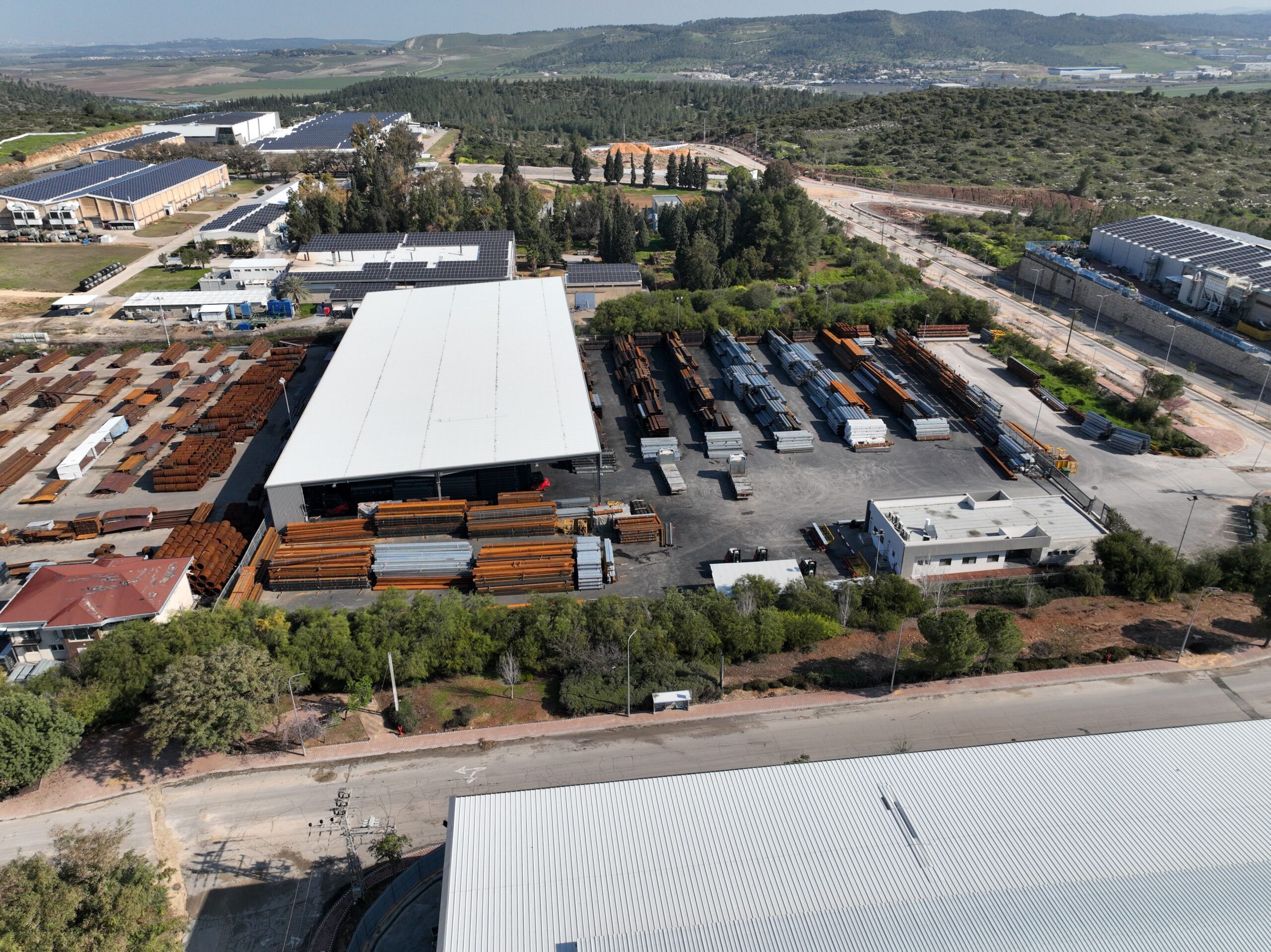
Lava20 is often a good fit where the existing roof is tired but the structure beneath it is still sound, and where a seamless, fully bonded membrane will deal better with plant, pipes and other details than a covering full of joints. It is also worth considering when hot works need to be avoided, or the building below must stay in use.
It Can Be A Good Fit If…
- The deck and insulation are still sound
- The existing covering can be cleaned and primed
- A seamless membrane will deal better with plant, pipes and details
- Hot works need to be avoided, or the building must stay in use
It Is Not A Short-Cut If…
- The deck is wet or rotten
- The insulation has failed
- The existing covering cannot be prepared
- The roof needs new insulation or a new deck — an overlay will not fix that
In those cases a replacement in EPDM, liquid systems and single-ply roofing, or another specified build-up, is the more durable route.
Planning a commercial flat roof repair?
Get The Roof Inspected And The Options Explained
We cover commercial and industrial buildings across North Wales, Cheshire and the Wirral. Call or message us for advice or a quote.
How Lava20 Compares With Stripping And Replacing The Roof
A conventional strip-and-replace takes off the old covering, and often the insulation, and builds the roof up again. That is the right job when the build-up itself has failed, but it is a bigger site operation, with more waste and more of the building opened up to the weather.
An overlay with Lava20, on a suitable roof, leaves a sound existing covering in place and applies a new liquid membrane over it. Owl’s own guidance is that this can be done without removing old bitumen or asphalt coverings. Cleaning, priming, detailing and the correct film thickness still matter, but the work typically involves less strip-out than a full replacement.
Keeping Disruption To A Minimum On A Working Site
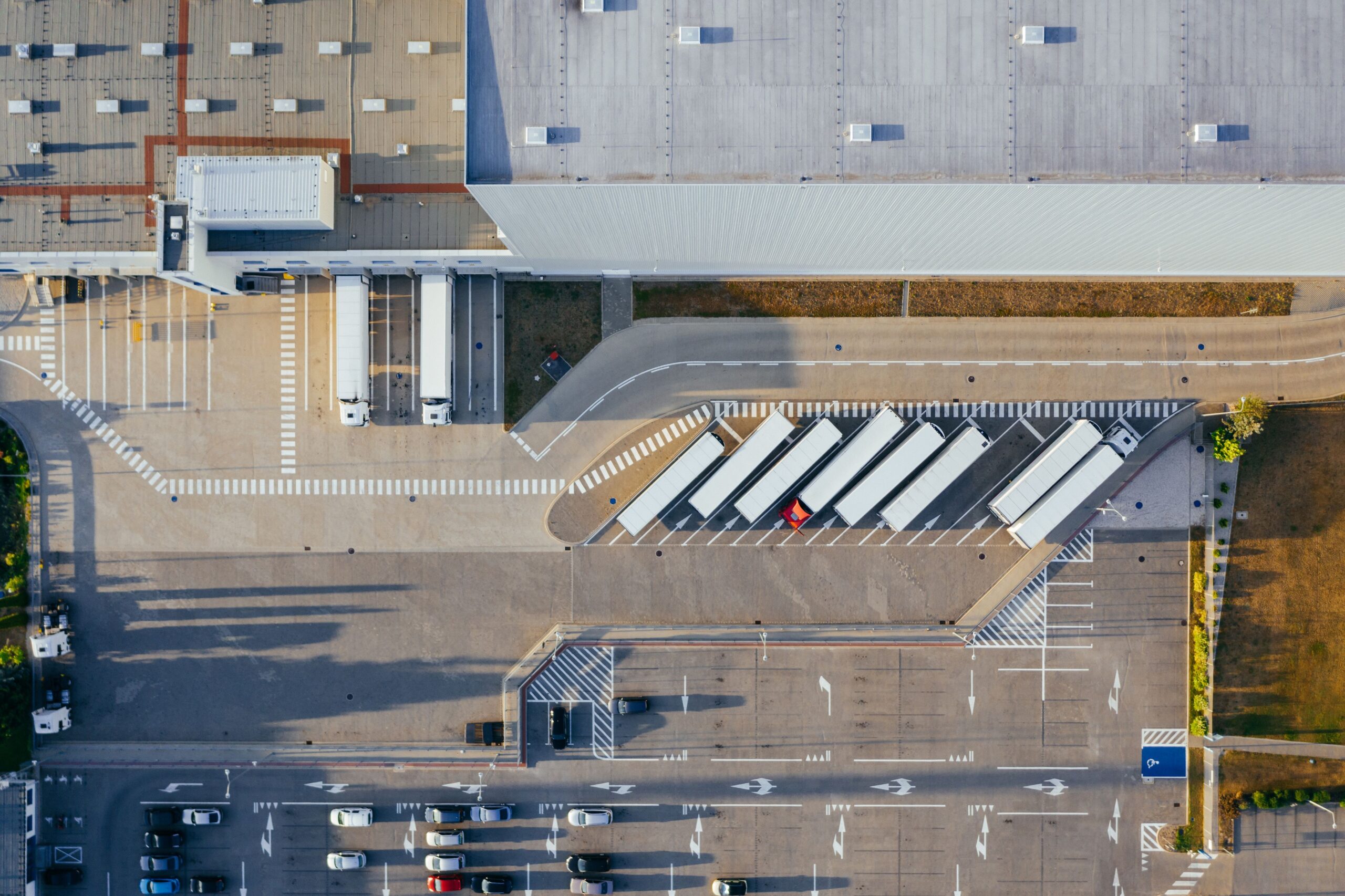
On factories, warehouses and occupied commercial buildings, the work has to fit around the business underneath. Because Lava20 is cold-applied there are no gas torches on the roof, and the manufacturer describes the system as suitable for wet-on-wet application with minimal downtime.
Here is how a typical overlay is planned, once an inspection has confirmed the roof is suitable.
- Inspect the roof and the build-up. Confirm the condition of the covering, insulation and deck before any overlay is specified.
- Prepare the surface. Loose material comes off, and the covering is cleaned and primed. An unsound substrate is not a candidate for an overlay.
- Detail the weak points. Pipes, gutters, flashings, rooflights and upstands are treated with fibre-reinforced Lava Detail 20. Lava20 Vertical is used on walls and parapets.
- Apply the membrane. Lava20 is applied by roller, brush, squeegee or spray, to the correct film thickness, with no flames on the roof.
- Allow it to cure. With the official catalyst, Owl states that a coat can cure in three to five hours; without it, seven to ten hours. In standard test conditions (20°C and 50% relative humidity), the technical data sheet gives a rain-stability time of three to four hours, light pedestrian traffic after 18 hours to a full day, and a final cure of seven days.
- Include the drainage and roofline. Application is typically carried out when the substrate is between 5°C and 35°C, at least 3°C above the dew point, and when rain or snow is not forecast. Roofline, box gutter and gulley maintenance are common leak paths and should be included in the specification.
That does not mean a large roof is finished in an afternoon — access, plant and safety still have to be planned, including work at height as set out in the HSE guidance on roof work — but on a suitable building the work can often proceed while the unit below stays in use. If box gutters are part of the problem, see our guide to box gutter repair on industrial units.
Roofer’s tip: A lining or overlay will not make up for a gutter that cannot take the volume of water discharged into it, or for a deck that has already failed. Ask to see what the inspection has found before you decide.
Frequently Asked Questions
Can A Leaking Commercial Flat Roof Be Repaired Without Stripping It?
Sometimes, yes. If the deck and insulation are sound and the covering can be cleaned and primed, Lava20 can be applied over bitumen, asphalt, metal, single-ply and other common substrates without stripping the old covering. If the structure or insulation has failed, a replacement is the better option.
What Is Lava20, And How Long Does The Manufacturer Say It Lasts?
Lava20 is a liquid-applied polyurethane membrane made by Owl Waterproofing Solutions. Specified systems are listed with a 25-year working life and a 25-year manufacturer’s warranty when installed to Owl’s guidelines with the full system components. A thinner metal-only build is listed with a 10-year warranty.
How Long Does Lava20 Take To Cure, And Will The Work Disrupt The Building?
With the official catalyst, Owl states that a coat can cure in three to five hours; without it, seven to ten hours. In standard test conditions it is rain-stable in three to four hours and can take light foot traffic after 18 hours to a full day. The system is cold-applied, so the building can often stay in use.
Is Lava20 Suitable For Industrial Roofs In North Wales, Cheshire And The Wirral?
It can be, on the right roof. The system holds a BBA certificate, CE marking and ETA 22/0640, remains flexible in use, and is designed to resist standing water and UV exposure. It has to be applied in suitable weather, typically on a dry substrate between 5°C and 35°C. An inspection will confirm whether an overlay or a replacement is right for a particular building in the areas we cover.
When Is A Full Roof Replacement A Better Option Than Lava20?
When the deck is unsound, the insulation has failed, or the existing covering cannot be prepared, a full replacement is the better option. Onyx Roofing can then specify a replacement in EPDM, liquid systems and single-ply roofing, or another suitable build-up.
Onyx Roofing
Talk To Us About Commercial Flat Roof Repair
If you have a leaking or ageing commercial or industrial flat roof in North Wales, Cheshire or the Wirral, we can inspect it, advise whether a local repair, a Lava20 overlay or a replacement is the right route, and quote the work. See our commercial and industrial roofing page, call 07405 569991, or email info@onyxroofing.co.uk. Call or message us for advice or a quote.
Do you have any current leaks, planned roofing work, or maintenance you’d like quoting? If so, get in touch and we’ll be happy to help.
Read more roofing advice on our blog or return to the Onyx Roofing homepage.